
The Climate Conversation We Can’t Ignore
Image: Pexels
New York Climate Week is known for its bold proclamations and flashy headlines. But each year, its sharpest climate signals emerge away from bright lights and big stages, in the quieter moments of conversation and connection.
This year was no exception. Those quiet moments offered the loudest indicators yet of what I believe more every year: If we’re going to make meaningful climate progress, we must move from thinking of infrastructure as only the things we build; they must also include the things we depend on. The natural systems, like our forests, that are quietly underwriting every asset on our collective balance sheet.
We’ve spent decades treating our natural systems as externalities, viewing nature as merely backdrop rather than critical assets to be managed. That approach worked when these systems were stable enough to be invisible. But, as we all know too well, they’re anything but stable anymore.
Climate volatility is turning what used to be out of sight and out of mind into an active risk factor.
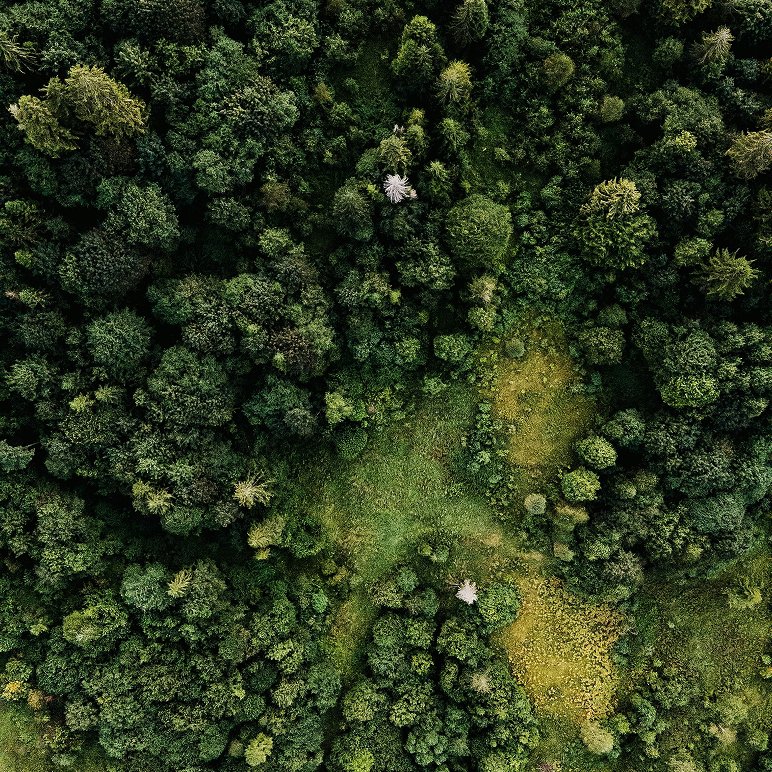
Take our forests, for example. Our forests serve as natural risk mitigators, helping communities weather natural disasters, protecting against extreme heat, cleaning the air we breathe and filtering the water we depend on. That is, when they’re healthy. But increasingly, their very existence hangs in the balance. Catastrophic wildfires are reshaping entire landscapes. By 2070, America’s forests, once powerful carbon sinks, are expected to emit more than they store. The best science tells us we are in a race against the clock. We now only have 15 years to reverse course if we are going to ensure healthy, resilient forests for generations to come. That’s the mission American Forests is solely focused on: growing forests that last, so they continue to be one of our greatest resilience tools, rather than our greatest risk.
Wildfires, and American Forests’ forest risk modeling, has taught me what happens when we don’t treat them as such. When everything looks fine, water flows from the tap and premiums are manageable, the risk feels abstract. Until it doesn’t. Until a catastrophic wildfire blazes through a community, and organizations are shocked by a risk they never modeled. It starts with understanding where dependencies exist, measuring their conditions and investing in that long-term resilience before it fails.
That’s why we must invest upstream, and treat our ecological systems with the same discipline we apply to all other facets of critical infrastructure.
This year, Climate Week revealed that this movement is growing and the conversation is shifting. Nature is moving from the margins of the climate conversation to the center of business and community resilience. More leaders are beginning to think beyond the short-term, acknowledging that the organizations focused on long-term vision for our natural systems will be the ones who come out on top. And the organizations that have yet to map their own dependence on nature won’t just be left behind; they will have to confront costs they never saw coming, from insurance to water supply to real estate value and supply chain interruptions.
All to say: systems-level thinking is going mainstream. After more than 150 years of championing this approach, American Forests is now increasingly seeing nature-based solutions move to the heart of risk management. Leaders are ready to think long-term and ready to act before crisis forces their hand. Our challenge now is to turn that shift in thinking into action, before the natural systems we depend on pay the price.