
Sugar in the Trees
It is early March in Vermont.
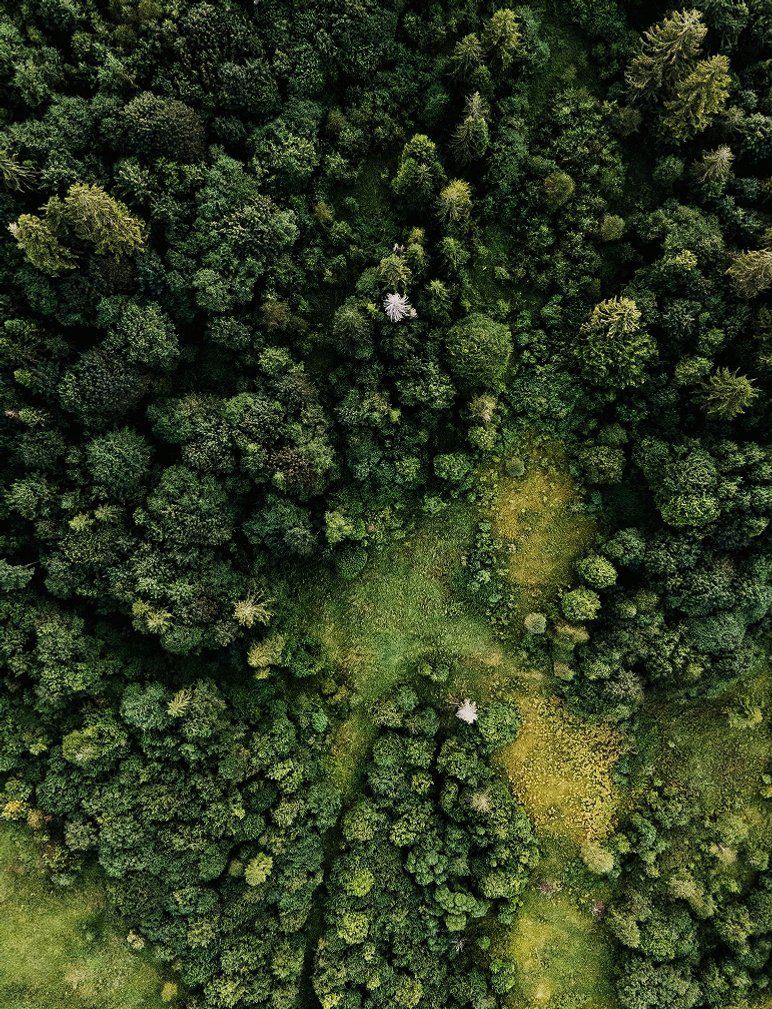
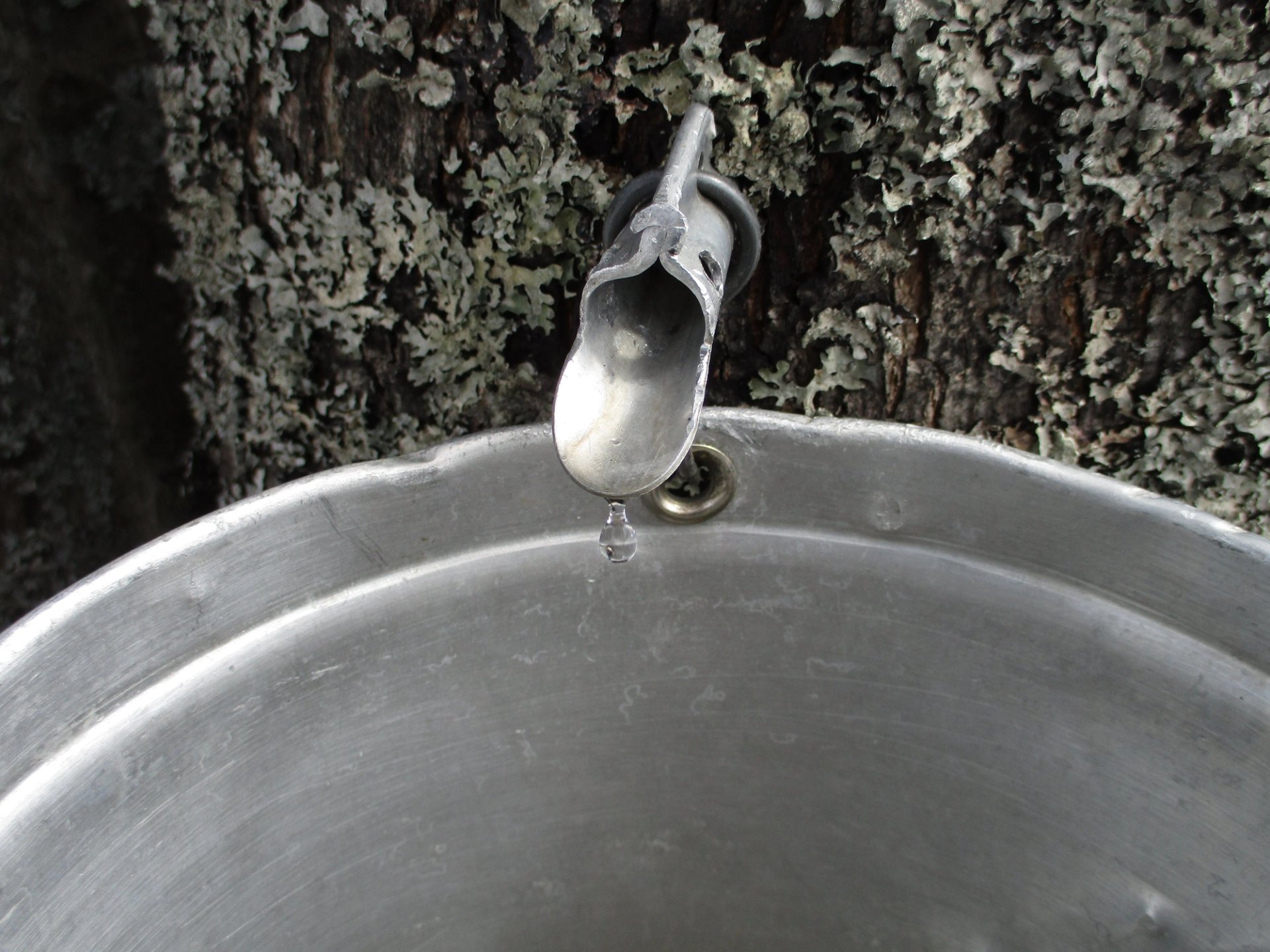
This morning the light in the forest was low and blue, ice crystals gathered in its low places. Now the sun has risen into a bluebird day, high and round and yellow over the mountain. It is a perfect day for maple sugaring.
On days like these, sap rises and falls through the sugar maples’ trunks, flowing from root to branch. Suspended in the sap is photosynthate: the sugars and starches manifested through the miracle of photosynthesis, a memory of last summer’s sunlight. Last June and July and August, their leaves illuminated, the maples inhaled the warm air. Last summer, they pulled carbon from the atmosphere, fixed it into sugars and starches, stored it in their roots and in their trunks. This June, some of last summer’s sugars will become leaves and roots and branches, and the final step in the trees’ deep alchemy will be complete. The trees will feed the insects, the insects will feed the birds. The world will live again.
It is a lesson of this life that, in this harsh and brutal struggle for survival, everything is made of sugar. Every ounce of flesh and every spark of energy in my body is a product of photosynthesis.
Every thought and every memory and every feeling that I have ever had — every success and every failure, every great and beautiful and terrible thing—is sugar, harvested by the leaf of a plant. This world takes many forms, and one of them is a gingerbread house, decadent and delicate and wonderful.
We do not sweeten this life with sugar. Life is sugar.
Tonight the sugarhouses in the valley will be alight. Sap harvested from the maple trees will be boiled, water returned to the air as clouds of white steam. In my little sugarhouse at the foot of the mountain, I will watch sap become syrup – thick and sweet and amber-colored.
For every forty gallons of maple sap harvested from my forest, I will make just one gallon of maple syrup. I will burn many cords of firewood in my iron arch, spend many hours tending to boiling sap in the evaporator. When the sap is running I will boil all night, and walk up the mountain in snowshoes to check the lines for leaks the next morning. And that will only make me love it more.
Once, I thought that to harvest something from the forest was a massive compromise; once, I thought that it was an imposition on ecosystems, an act of colonization, a taking.
Now I believe that it is simply another aspect of our relationship with ecosystems: the dialogue that we have with this biosphere in every moment. Now I believe that it is as natural as breathing: a thing that we must do, a thing done by every species on this earth, a thing that people have done as long as there have been people.
There is not one single resource—no scrap of paper, no plastic wrapper, no piece of clothing, no packet of energy—that is free, that does not exact a toll from the people and the ecosystems of this planet. The question is not, and has never been: How do we live in this world without costs or compromises? The question is: How do we pay the right costs? How do we make the right compromises? How do we live well in the world we have been given? How do we live with care and compassion? How do we live with responsibility?
As the sap boils in my sugarhouse, the world moves into a new era of Environmentalism. In this new era of Environmentalism we are still mobilizing to stop doing the bad things, but also to start doing the good things. We are stepping toward ecosystems, rather than away from them, making the many complex choices necessary to care for ecosystems and biodiversity in this changed and changing world. We are recognizing that we are stewards of this planet, and the many living things that call it home.
In the past, Environmentalism has been a movement about stopping the bad things—the exploitation, the degradation, the destruction of this biosphere.
In this moment we ask more of our ecosystems than ever before, but we also have the power to give them more than ever before. In this moment we ask more of each other than ever before, but we also have the power to give each other more than ever before. What a gift, to have the power to change everything. What a gift, to have the power to choose.
What are we searching for? There is no place we can travel where life will not follow us, no corner of this earth where we will be free from responsibility. There is nothing complete to find, no perfect form of this world or of this life or of ourselves to attain. So why not build something here—from this moment, in this place, with these people?
Hope is a self-fulfilling prophecy. This year, as the world grew and changed and unraveled around me, I have held hope like a talisman, speaking it with my hands and my voice and with my aching heart. And I have found that hope breeds hope: that when we are hopeful we give ourselves and each other reason to feel hope. We do not need to manufacture hope, to create it from nothing—to find it, we only need to go deeper. If you do not yet see it, I will carry hope for you. And someday, when I am lost, you will carry it for me.
Beneath the surface of this moment, there is gold in this river, sugar in these trees.
I am not here to tell you how much has been lost from this world, how much is missing. I am here to tell you how much is still here — how much remains, how much is worth fighting for. I am here to tell you that there is still hope in this life, waiting to be remembered, and discovered, and boiled into maple syrup. Even now there are forests on the mountain, trees in the forests, sugar in the trees. Even now, in the dawn of the year, when its darkness is the deepest, there is sweetness here, rising from the earth. Even now, when the whole world is starving, there is emergence here, abundance coming.
Why not now, in a time so deeply broken? Why not here, in this world that was once hopeless? Why not us, whoever we are?
Let us stay with this forest, stay with each other, stay in this world that we have been given. Let us stay, and remember what it means to live.
Ethan Tapper is a forester, ecologist, bestselling author and content creator from Vermont. His first book, How to Love a Forest, was the winner of the 2025 New England Book Award in non-fiction. His highly anticipated second book – The Forest Year: Finding Hope in a World Worth Saving – is now available for pre-order. Pre-order The Forest Year wherever books are sold, or at EthanTapper.com/forestyear.