

New Survey Finds Performing Artists See Promise in Tech — But Lack Access and Safeguards
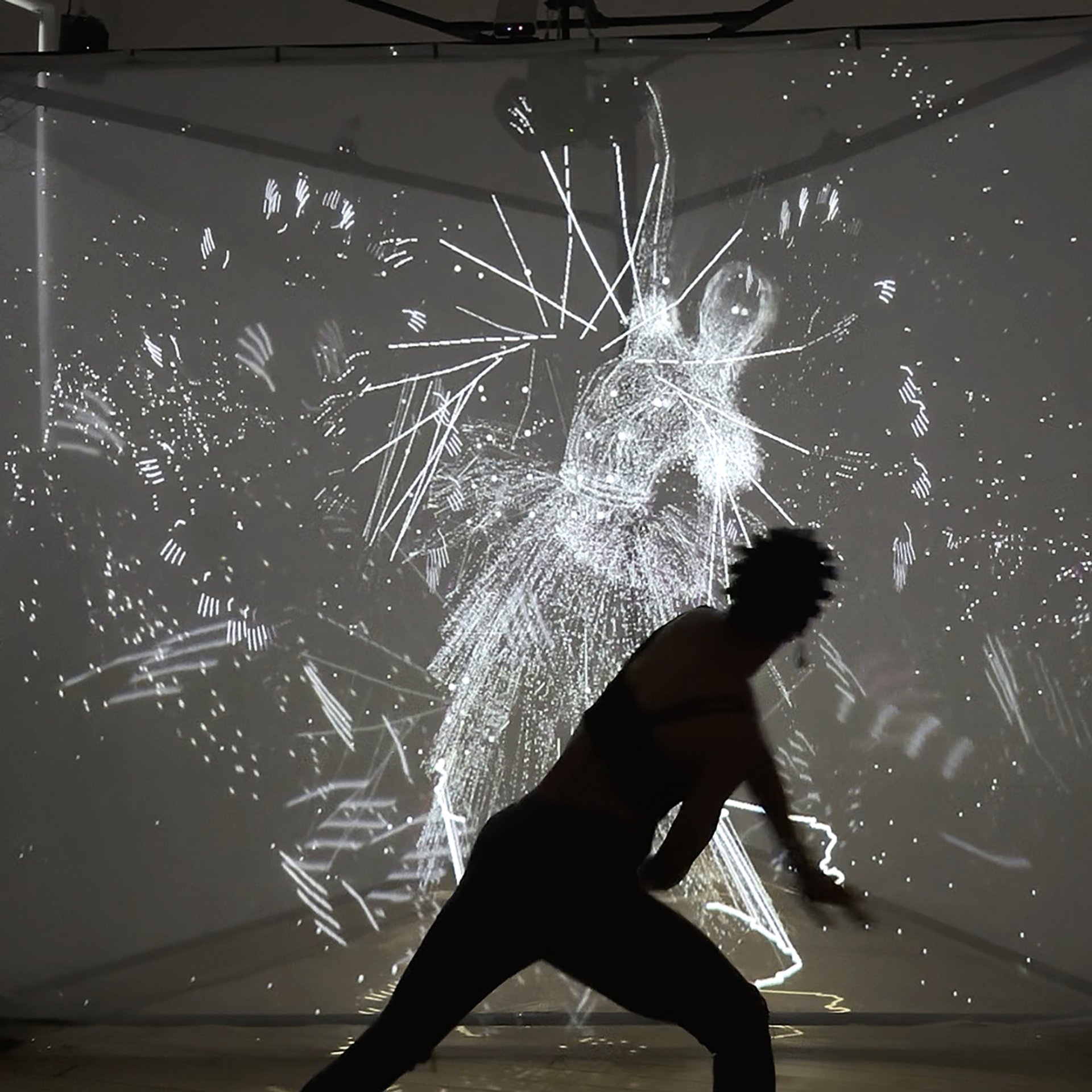
While artists widely use digital tools, limited access, skills gaps, and concerns about exploitation are slowing adoption of emerging technologies.
The Doris Duke Foundation released new survey findings showing that while performing artists see strong promise in technology, many lack the access, skills, and safeguards needed to fully use it. The findings point to a field that is highly tech-aware, and that could have an increased impact on emerging technologies with access to the right tools.
The survey, Technology in the Performing Arts: Opportunities & Risks, conducted by Meridian Research & Insights, is based on responses from more than 300 artists across dance, music, and theater. It highlights near-universal awareness of foundational tools like live streaming (99 percent) and digital archiving (95 percent), yet limited adoption of newer technologies—only 23 percent of artists report using generative AI, and just 12 percent use augmented or extended reality (AR/XR)—underscoring a clear gap between awareness and real-world application.
This survey confirms that while artists recognize technology’s power to reach audiences and create new forms of expression, they are facing a critical gap in access and a justified fear of exploitation.”
“With 90 percent of artists concerned about corporate exploitation, it is clear that we must move beyond merely helping artists adapt to these tools. We need to ensure they have the resources and agency to lead the development of the technologies and policies that will define the future of their craft.”
While adoption of newer technologies remains limited, 91 percent of respondents believe technology is an important tool for reaching marginalized audiences including those with disabilities, and 82 percent say it enables entirely new forms of artistic expression— reinforcing that innovation remains a core value of the performing arts.
The survey is part of the Doris Duke Foundation’s broader performing arts grantmaking strategy to better connect technology and the performing arts by supporting artists in the development, access, and adoption of new tools in their practice. This includes Arts Make Technology (AMT), a multi-million dollar investment in partnership with the Mozilla Foundation, The William and Flora Hewlett Foundation and The Ford Foundation to build a cross-sector infrastructure that empowers performing artists not just to respond to technological change, but to help shape it.
The findings underscore the need for this approach to grantmaking by demonstrating that performing artists do not see technology as a passing trend, but as an enduring force in their work and futures. Nearly 90 percent of participants say technological change has always influenced their craft, and while many see its potential to expand creativity and expression, access to tools and training remains a pressing need — pointing to a broader opportunity for funders to invest in artist-centered approaches to technology.
Building on these findings, the Doris Duke Foundation will continue to explore how technology is shaping the performing arts, while working to build conditions that enable artists to not only adapt to technology, but help shape its role in an increasingly digital world.