
How Did We Get Here? And Where Can We Go? The Stories Behind Anti-Muslim Bias
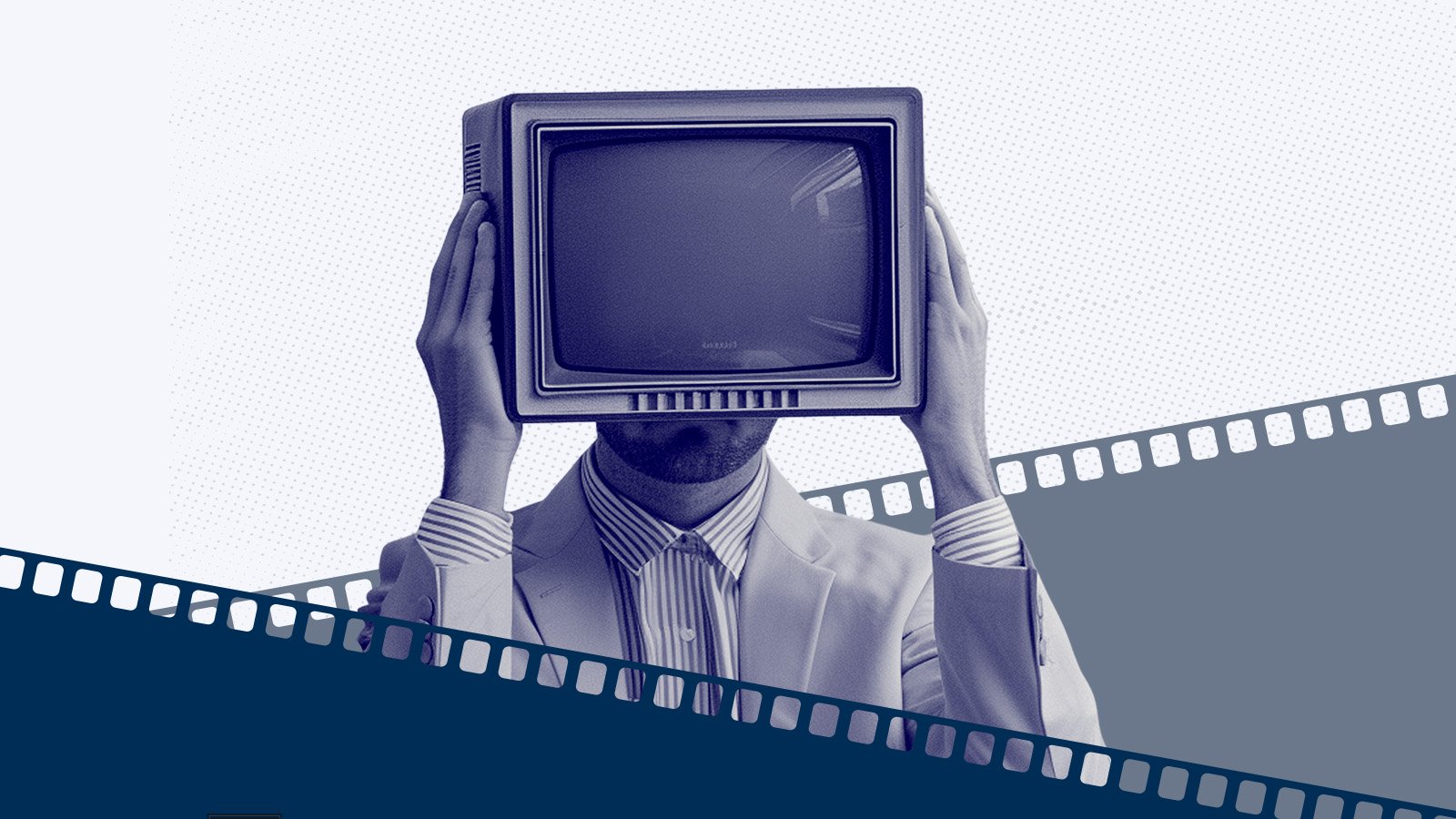
Image: ISPU
Anti-Muslim discrimination in the United States is pervasive. According to recent data from the Pew Research Center, 85% of Muslims report that Muslims experience discrimination in our society. In 2023, the Council on American-Islamic Relations (CAIR) received the highest number of anti-Muslim bias complaints in its history—a 56% increase from 2022. Those numbers rose another 7.4% in 2024, with 8,658 anti-Muslim incidents reported. Discrimination complaints emerging from primary schools, workplaces and healthcare settings further demonstrate that anti-Muslim bias is not isolated, it is rising.
At the federal level, the Biden administration introduced a National Strategy to Counter Islamophobia and Anti-Arab Hate in December 2024. While symbolically significant, critics, including the American Civil Liberties Union (ACLU), argued that the strategy stopped short of structural reform. The persistence of bias despite public acknowledgment raises an urgent question: How did we get to this point? And how do we move forward?
Part of the answer lies in the stories that have been told about Muslims for decades.
Across decades of film and television, Muslims have been disproportionately portrayed as violent, foreign, and villains. This matters profoundly. Media representations function as normative signals. Not only do they communicate information about a group, but also how audiences should feel about and treat that group. When a group is repeatedly depicted negatively, viewers learn how they should feel about and act toward that group. In the case of villainized Muslims, viewers learn to otherize, dehumanize, alienate, and hate them.
In a recent study I conducted with the Institute for Social Policy and Understanding (ISPU), we sought to understand the impact of positive and negative portrayals of Muslims in entertainment television. Specifically, we examined the effects of exposure to depictions of Muslims in TV shows on people’s support for policies that are broadly undemocratic or specifically anti-Muslim, as well as attitudes toward Muslims, and perceptions of Muslims.
What did we find?
Featured in the “Stereotypes on the Screen” report, the results demonstrate that study participants who watched a positive depiction of Muslims (an episode of 9-1-1: Lone Star) were more opposed to anti-democratic policies and anti-Muslim policies than those who had watched a negative depiction (an episode of Criminal Minds). Viewers of the positive depiction were also more supportive of treating Muslims positively and were more willing to be in close social proximity to Muslims in real life. Finally, the results showed that those who watched the positive depiction felt less threat from Muslims and identified with Muslims more strongly than those who had watched the negative depiction.
Media representations function as normative signals. Not only do they communicate information about a group, but also how audiences should feel about and treat that group.
While the ISPU study does document harm caused by negative depictions, it largely sheds light on a hopeful path forward. If bias can be constructed through the stories told in entertainment media, then telling different stories can disrupt it. When stories of Muslims move beyond the stereotypical tropes and bring to life more nuanced, complex, and positive portrayals of Muslims, public opinion can shift towards understanding, empathy, and connection. Over time, the effects of such stories can influence how Muslims are perceived and treated in classrooms, workplaces, hospitals, civic life, and beyond.
By widening the stories we tell, we can challenge the status quo and expand the circle of who belongs.