
Artists Will Lead the Future of Tech
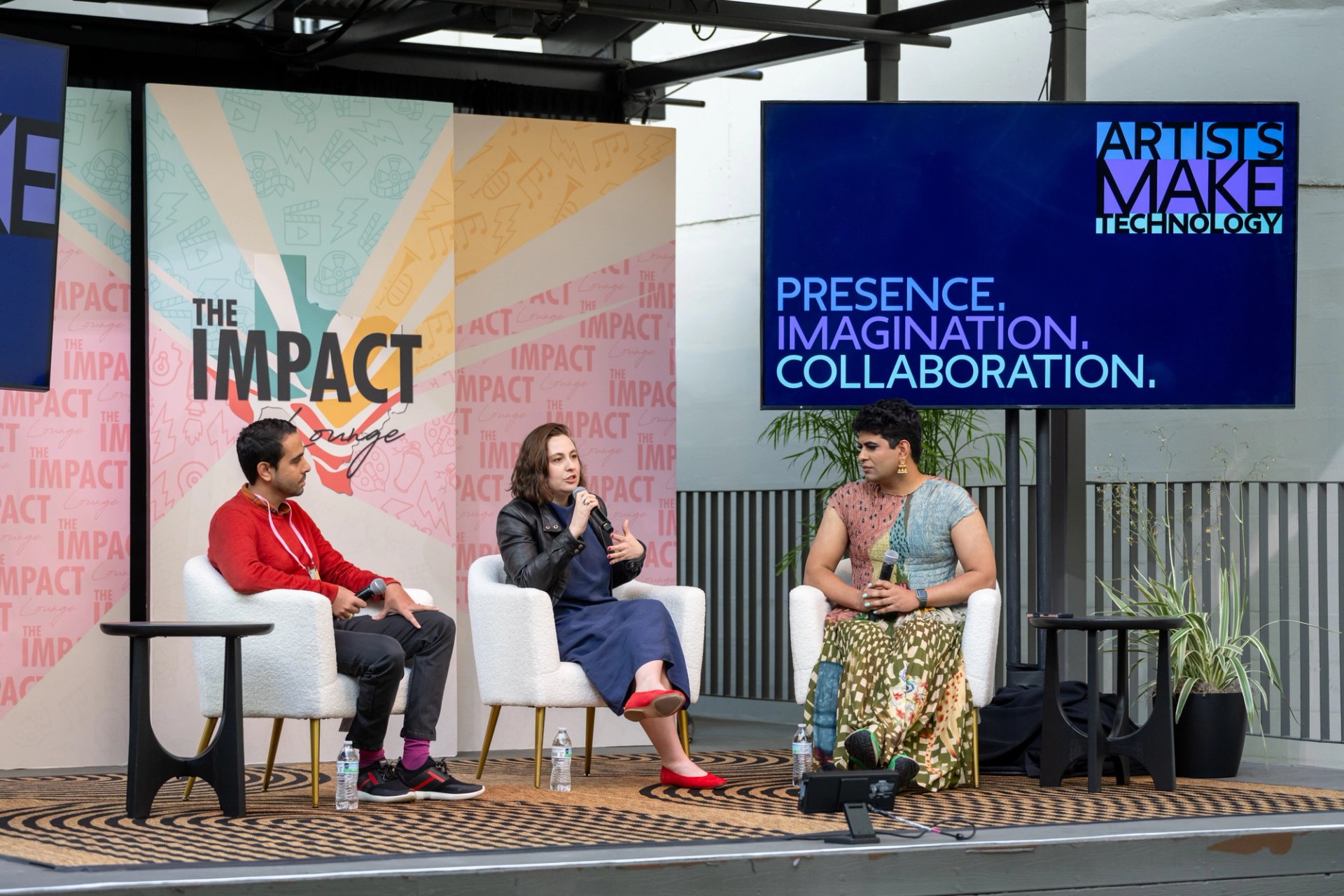
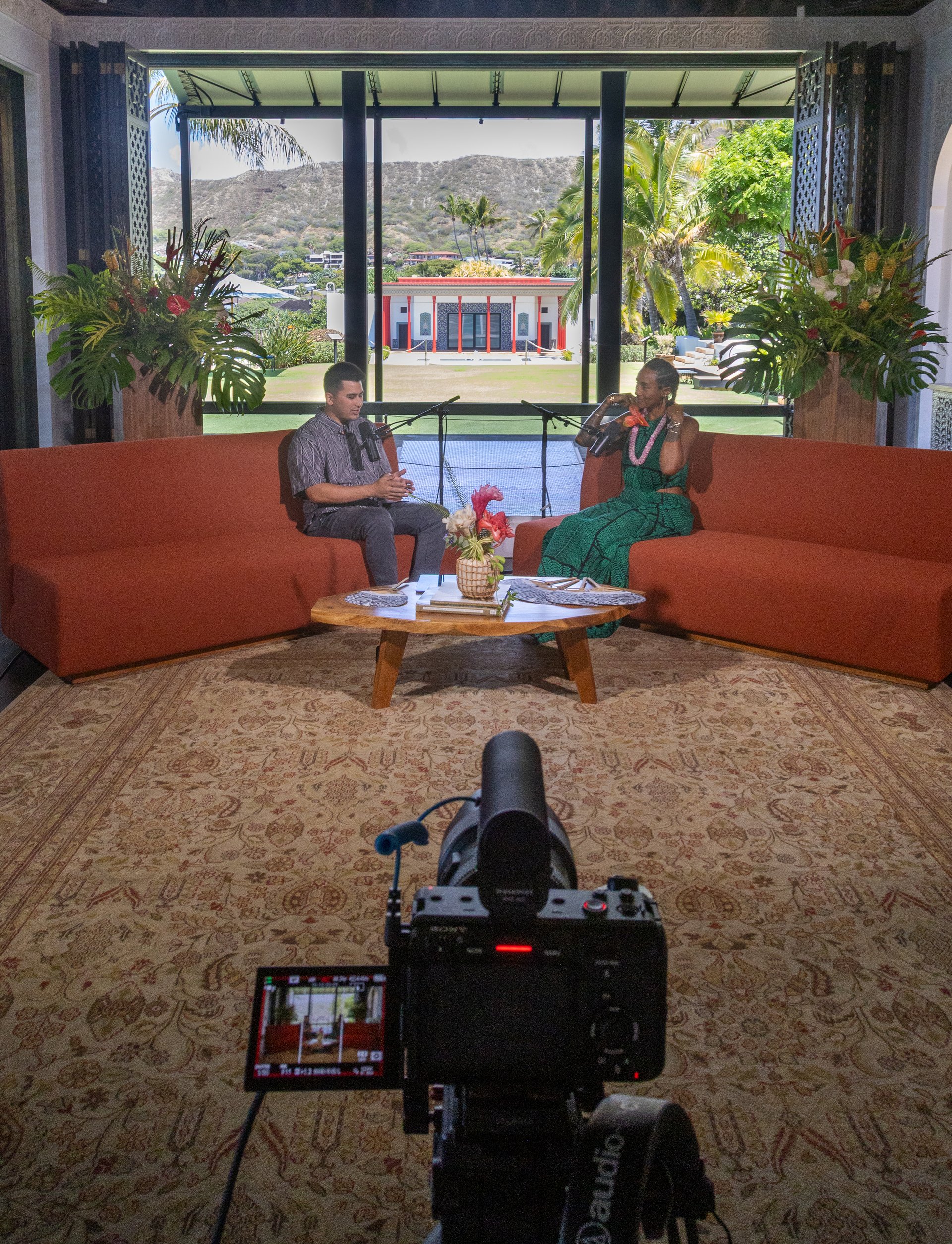
A recent panel at SXSW moderated by ALOK, artist, brought together Ashley Ferro-Murray of the Doris Duke Foundation and Ziyaad Bhorat of Mozilla Foundation to consider what it would mean for artists to help shape the systems that increasingly shape culture. The discussion was closely connected to Artists Make Technology, a new initiative designed to ensure performing artists are at the center of technology innovation.
What emerged onstage was a question bigger than whether artists deserve a place in conversations about technology. It was whether we have accepted too narrow a definition of technology in the first place.
Too often, technology gets reduced to platforms, models, infrastructure and scale. In that version of the story, artists show up late, asked to interpret, soften or humanize systems built elsewhere. But several ideas raised during the panel pushed against that framing. Performing artists have long worked through systems, tools, constraints and environments to shape how people experience the world. They are not outside technological change, reacting to it after the fact. They are already in it.
The discussion pointed toward a broader understanding of what technology actually is. Not just machinery or software, but a way of making, perceiving, adapting and reimagining what life can be. From that vantage point, artists have long taken up technical systems, broken them open and found new uses for them, sometimes to resist the very terms those systems impose.
That broader view matters because tech companies are not just building tools. They are increasingly shaping the terms of cultural production itself: what circulates, what gets rewarded and what kinds of participation are possible.
A central question raised during the panel was what it means for platforms to function as cultural institutions, and who gets to design the systems that now structure so much of public life. Seen that way, the issue is not whether artists should be included after the fact. It is whether the systems shaping culture can be meaningfully built without them.
That feels especially urgent now, in the context of AI, where technical capability is so often mistaken for progress. Chips, infrastructure, models, applications. The usual vocabulary is all mechanics and scale. But the discussion kept returning to a simpler set of questions: Where are humans in that vision? Where is imagination? Where is expression? Those are not side questions. They shape whether technology opens anything up or simply concentrates power in new ways.
Part of what came through so clearly is that artists have a different kind of authority here, not because they stand outside these systems, but because they know how to work inside them differently. Performing artists understand presence, relation and attention. They know how to create the conditions for something to happen between people in real time, in their bodies and with their senses engaged. At a moment when so much of public life feels flattened by speed, mediation and automation, that is not peripheral knowledge. It may be some of the knowledge we need most.
One of the strongest throughlines onstage was a move away from inclusion and toward leadership. The point is not simply to welcome artists into systems designed elsewhere. It is to recognize them as central to shaping those systems in the first place. That means supporting artists as builders and collaborators, not as ornament, not as a late-stage ethical check and not as a source of legitimacy for systems whose values were set somewhere else.
The panel also pointed toward more grounded alternatives. Instead of treating technology as synonymous with large corporate models, it raised the possibility of systems shaped by communities, tools built around actual needs and collaborations that leave more room for artists to decide what they want technology to do, what they want no part of and what kinds of systems are worth building at all. Mozilla’s broader public work in responsible computing and creative technology partnerships also reflects that push toward more accountable, human-centered approaches.
But none of that happens on rhetoric alone. Again and again, speakers returned to conditions: time, agency and the right to take risks. If artists are going to help shape the future, they need room to experiment, even when that work resists efficiency, popularity or scale. Without those conditions, the language of artist-led futures starts to sound good while changing very little.
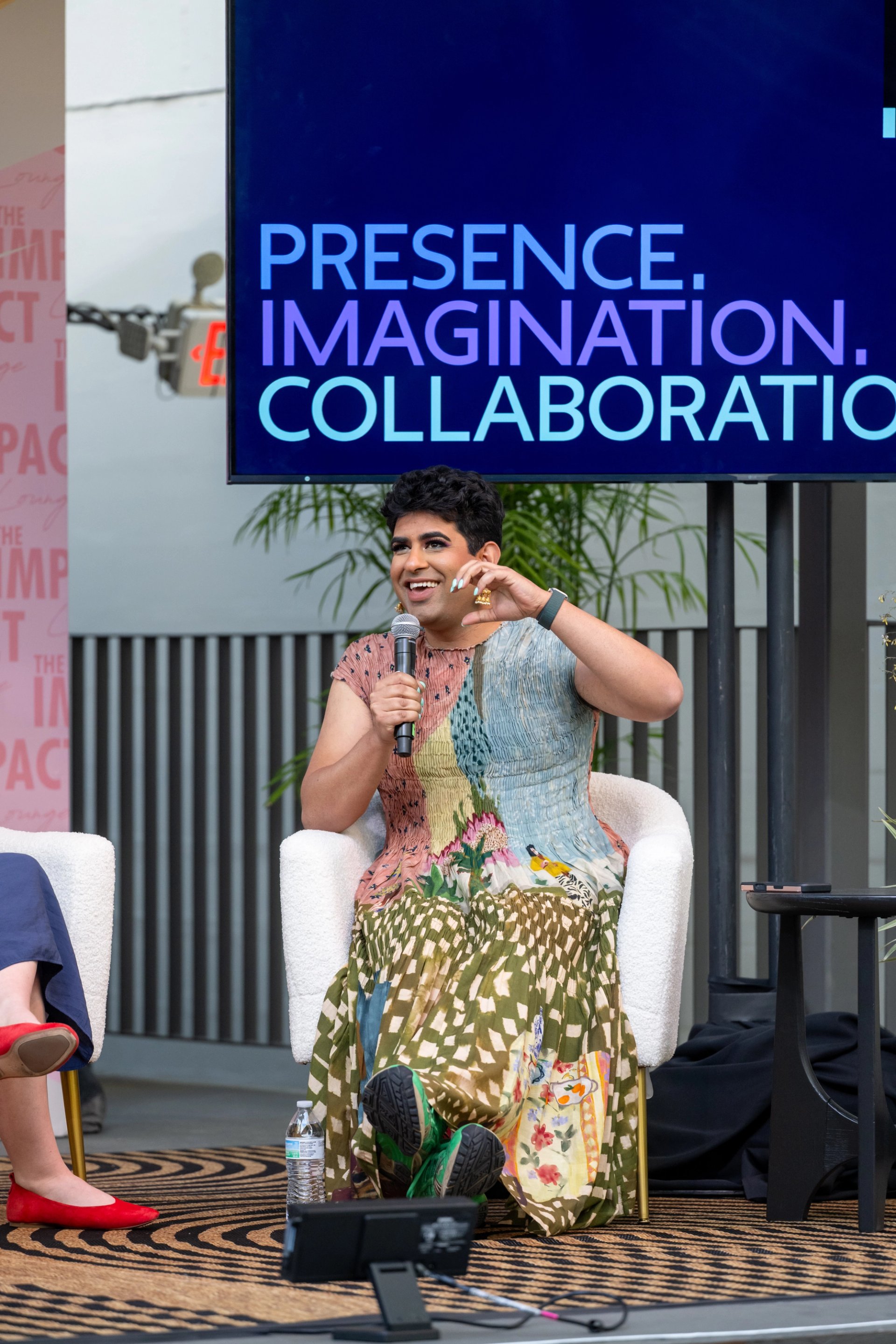
What came into focus was not a simple argument for art plus technology. It was a challenge to who gets to imagine the future and on whose terms. If technology is left to the logic of scale alone, we may get more powerful systems without getting a more human world. But if artists are recognized as builders, critics and collaborators, the future begins to look different: less extractive, more responsive and more grounded in bodies, communities and shared life.
Maybe that is the real force of the idea that artists will lead the future of tech. Not that artists should be brought in at the end to make technology seem more human. But that any future worth building will require us to stop treating imagination as secondary to innovation. Performing artists have long understood that technology is not only about what systems can do. It is about what they make possible: expression, connection and the kinds of lives we are able to imagine together.